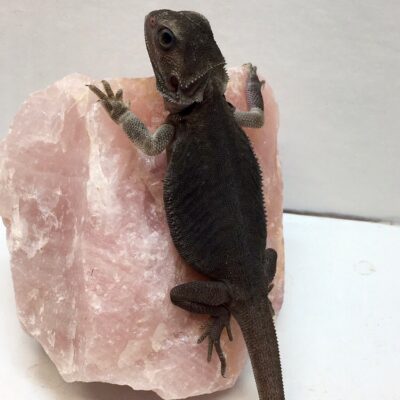

Here are expert, practical tips on feeding and nutrition for reptiles and birds, based on veterinary and husbandry best practices. Proper nutrition is one of the most important—and most commonly misunderstood—parts of caring for these animals.
🦎 Reptile Feeding & Nutrition Tips
1. Know the Species-Specific Diet
Reptiles have highly specialized diets:
- Herbivores (e.g., iguanas, tortoises): leafy greens, vegetables, limited fruit
- Carnivores (e.g., snakes, monitors): whole prey
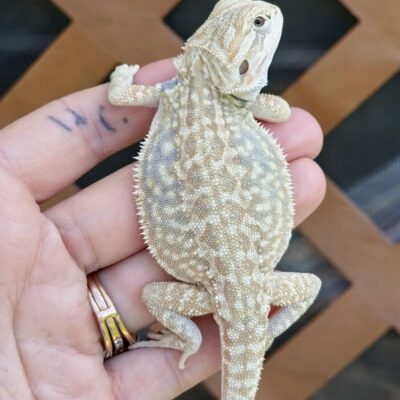
- Omnivores (e.g., bearded dragons): insects + plant matter
⚠️ Feeding the wrong diet can lead to metabolic bone disease, organ failure, or obesity.
2. Calcium & Vitamin D3 Are Critical
- Most reptiles require calcium supplementation
- Vitamin D3 is essential for calcium absorption
- UVB lighting is just as important as diet
✅ Dust insects with calcium powder
✅ Use calcium with or without D3 depending on UVB exposure
3. Feed Whole, Natural Prey When Appropriate
For carnivorous reptiles:
- Use whole prey (mice, rats, insects)
- Avoid feeding only muscle meat—it lacks essential nutrients
Frozen-thawed prey is safer than live feeding and reduces injury risk.
4. Hydration Matters
- Many reptiles don’t drink from bowls
- Some hydrate via misting or food moisture
✅ Provide fresh water
✅ Mist species that require humidity
✅ Soak tortoises periodically if recommended
5. Avoid Overfeeding
- Reptiles have slow metabolisms
- Juveniles eat more frequently than adults
Overfeeding leads to fatty liver disease and shortened lifespan.
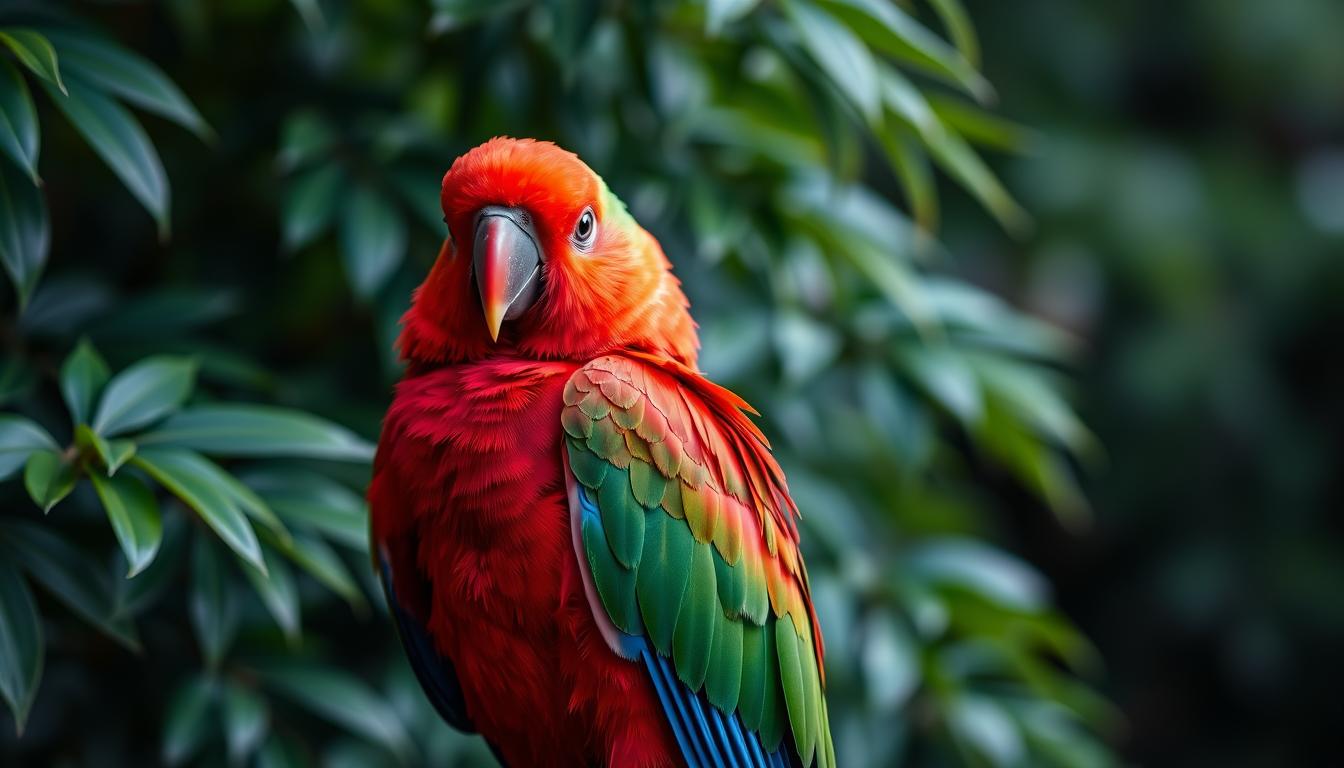
🐦 Bird Feeding & Nutrition Tips
1. Pellets Should Be the Foundation
For most pet birds:
- High-quality pellets should make up 60–70% of the diet
- Seeds alone are nutritionally incomplete
✅ Choose species-appropriate pellets
✅ Avoid artificially colored, sugary brands
2. Fresh Foods Are Essential
Offer daily:
- Leafy greens (kale, collards, dandelion greens)
- Vegetables (carrots, bell peppers, squash)
- Limited fruit (high sugar)
❌ Avoid avocado, chocolate, caffeine, alcohol, onions
3. Protein in Moderation
Birds need protein, but too much can cause health issues:
- Cooked legumes
- Small amounts of egg or quinoa
- Insects for some species (e.g., softbills)
4. Calcium for Egg-Laying Birds
Female birds, especially:
- Provide cuttlebone or mineral blocks
- Offer calcium-rich foods (dark greens)
This helps prevent egg binding and weak bones.
5. Fresh Water Daily
- Change water at least once per day
- Clean bowls to prevent bacterial growth
Birds are highly sensitive to water contamination.
🌿 General Expert Advice for Both
- Rotate foods to prevent nutritional gaps
- Avoid human junk food
- Monitor weight and droppings
- Consult an exotic veterinarian annually
- Nutrition needs change with age, breeding status, and health
If you’d like, I can: ✅ Create a species-specific feeding chart
✅ Help design a weekly meal plan
✅ Recommend safe foods or supplements
✅ Explain signs of nutritional deficiency
Just tell me the species you’re caring for!